Step Into the City: Photographing Public Art on Foot
Lace up and join an urban adventure where cameras lead the way and streets become galleries. Today we set out on photography walks highlighting public art landmarks, uncovering sculptures, murals, and installations that transform daily routes into visual stories, connecting movement, light, and community with the creative pulse that shapes our neighborhoods.

Map Art-Rich Corridors

Start with municipal public art databases, community arts councils, and crowd-sourced maps to chart corridors dense with work. Connect plazas, underpasses, parks, and community centers likely to host installations. Leave flexible pockets of time for detours when a splash of color or a bronze figure calls from around an unfamiliar corner.

Time Your Light and Footsteps

Murals facing east glow at sunrise, while west-facing walls blaze during golden hour. Sculptures with complex surfaces reveal texture under raking light, and backlit glass installations awaken near dusk. Plan rest breaks where shade and vantage points align, pacing your walk so the sun helps, not hinders, your storytelling ambitions.

Pack with Purpose and Comfort

Choose a lightweight kit: a versatile zoom, a fast prime for dim alleys, spare batteries, microfiber cloths, and a small polarizer for glare. Comfortable shoes, water, and a compact notebook matter as much as lenses. Ethical essentials—artist credit notes and permission reminders—keep your practice respectful and community-minded throughout.

Compose Stories Around Sculptures and Murals

Public art thrives on context, and your compositions should echo that dialogue. Think less about isolated objects and more about relationships: people moving by, shifting shadows, transit rhythms, and architectural frames. Seek sequences that reveal meaning—wide scene-setters, intimate textures, and human moments—so viewers feel the heartbeat of the streets you walk.

Scale Through Foreground Characters

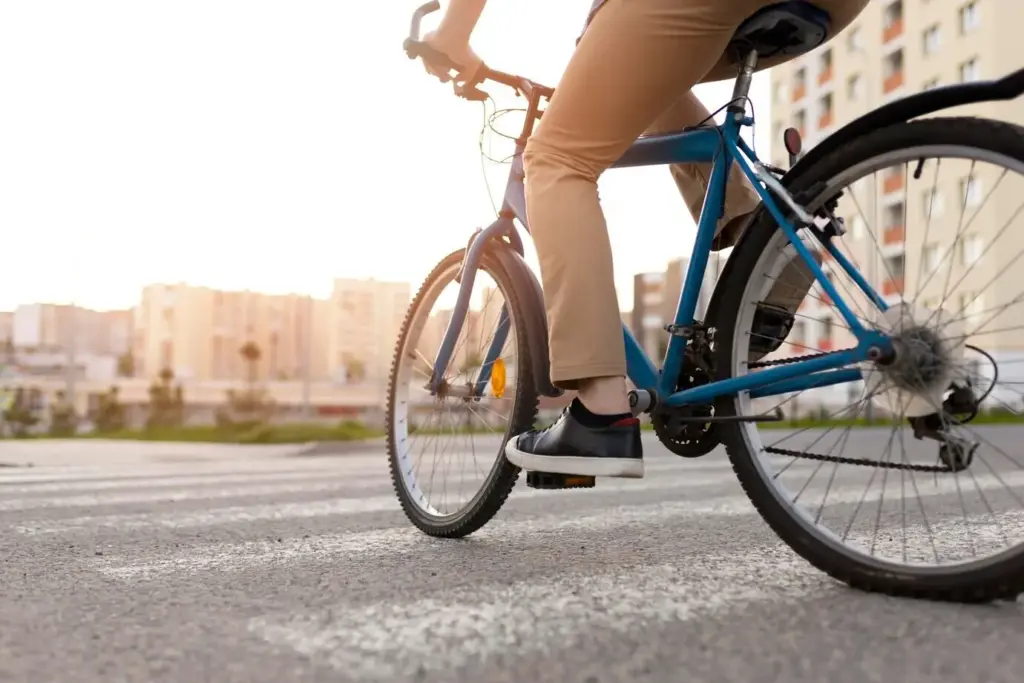
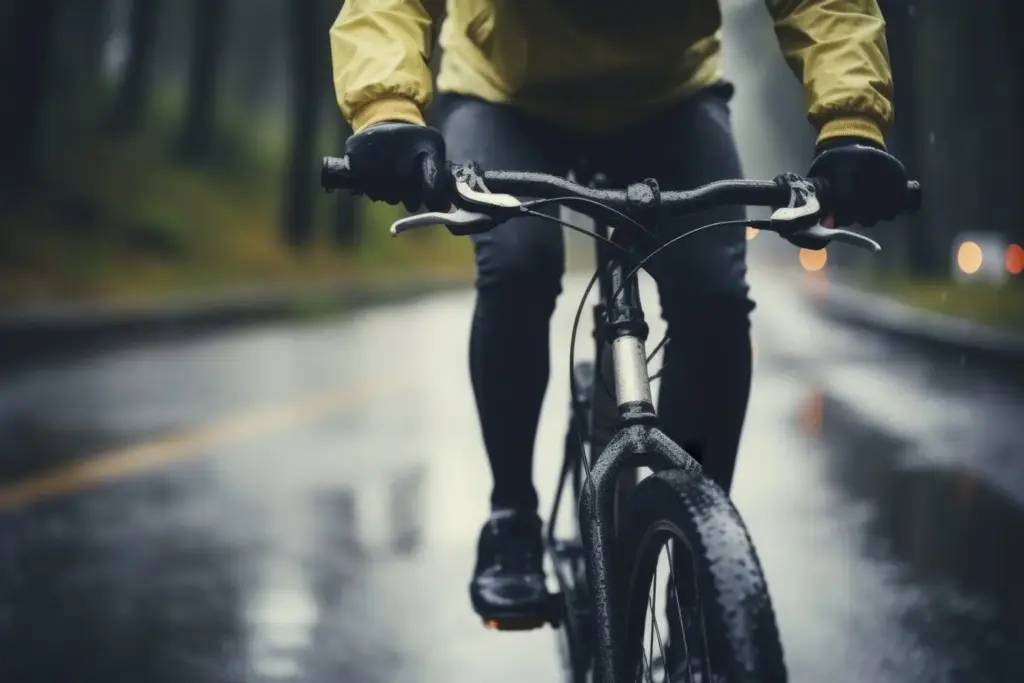
Use passing cyclists, dogs on leashes, or a friend’s outstretched hand to establish scale against towering figures or sprawling walls. Foreground elements guide the eye, add narrative, and ground the artwork within everyday life. Patience and anticipation transform ordinary movement into compelling storytelling cues that complete the frame.

Lines, Color, and Contrast That Lead

Follow converging sidewalks, stair rails, and painted stripes to funnel attention toward key details. Murals reward bold color pairings and complementary hues, while bronze and stone benefit from tonal contrast against sky or brick. Adjust perspective by crouching low or stepping back, letting geometry carry emotion and clarity together.

Reflections, Frames, and Layers

Windows, puddles, and polished steel offer mirrored doubles that multiply meaning. Doorways, tree branches, and overpasses create natural frames, revealing fragments before the reveal. Layer background pedestrians and mid-ground traffic to suggest city tempo, allowing the artwork to converse with its surroundings, not merely sit within them silently.

Respect, Access, and Everyday Etiquette

Public space is shared space. Photographing art in the wild means caring for communities, honoring artists, and navigating rules gracefully. Ask before photographing people, step aside for mobility needs, and keep gear compact. Credit artists whenever possible, and treat plaques, fences, and cones as guidance, not obstacles to be ignored.

Ask, Inform, and Credit

When portraits enter your frame, a quick, friendly check-in builds trust. Research artist names through plaques, city registries, or local articles, and include credits in captions. Reach out to creators on social platforms, tagging respectfully. Small gestures foster relationships, ensuring future walks feel welcome rather than intrusive or extractive.

Share Space Kindly

Keep tripods compact and bags tucked close, allowing commuters, strollers, and wheelchairs unimpeded paths. Avoid blocking storefronts or bus stops while composing. If a resident expresses concern, respond calmly and relocate slightly. A cooperative presence not only prevents conflict but often opens conversations, tips, and unexpected access that enrich documentation.

Care for the Artwork

Resist leaning, climbing, or placing gear on sculptures and reliefs. Oils from hands degrade materials, and small contacts accumulate damage over time. Stand back from fragile mosaics and fresh paint, and never cross barriers. Your photographs will sing louder when respect preserves the very subjects that inspire their creation.

Light, Weather, and Movement as Allies

Urban elements never sit still, which is good news for creative decision-making. Treat changing conditions as collaborators. Diffused light flatters rough surfaces, rain deepens pigment, and wind animates shadows. Calibrate shutter speed and ISO to embrace motion without surrendering texture, letting the city breathe through every frame you make.

Golden, Blue, and Neon Hours

Warm low sun defines edges on statues and reveals brush strokes in thick paint. Blue hour balances signage glow with soft ambient sky, perfect for glass installations. After dark, neon bounces color onto concrete, giving murals fresh energy. Stabilize with a wall brace or monopod to keep things crisp.

Clouds, Rain, and Texture

Overcast skies act like giant softboxes, taming contrast and preserving mural detail. After rain, pigment saturates and puddles invite reflections, umbrellas add scale, and streets shimmer. Protect gear with a simple cover, then lean into the sheen, capturing the artwork’s reintroduction to the city through glistening, generous atmosphere.

Long Exposures at Busy Corners

Slow shutter speeds let pedestrians blur into gentle ribbons while metal and stone remain sharp, emphasizing artwork permanence amid flux. Use a light ND filter, brace carefully, and keep situational awareness. The resulting contrast creates poetry, granting your chosen piece a quiet anchor within bustling urban choreography.

Document Context, History, and Community

Photographs gain depth when they nod to origins and impact. Follow leads from plaques, neighborhood posters, and local guides. A quick chat with a passerby often brings stories of dedication ceremonies, controversies, or repairs. Blend images with brief notes so viewers sense lineage, intention, and lived experience surrounding each piece.

Edit, Sequence, and Share for Lasting Impact
A Lean, Consistent Edit
Begin with lens corrections, horizon fixes, and subtle color balance. Protect mural integrity by avoiding over-saturation that distorts an artist’s intent. Lift shadows gently to reveal texture without flattening. Aim for restraint, allowing composition, gesture, and environment to carry emotion rather than heavy-handed effects that distract from authenticity.

Sequence That Feels Like Walking

Organize images as if your viewer is beside you: map-like opener, route markers, mood shifts with light, and a final exhale. Interleave wide scenes and close details to keep pace varied. This structure invites comments, route suggestions, and community memories, turning your gallery into conversation rather than monologue.

Share Responsibly, Invite Participation

Include alt text describing subject, location, and mood, plus artist credits and neighborhood hashtags to reach local audiences. Encourage readers to suggest routes, share accessibility notes, and flag new installations. Consider a newsletter or group walk invitation, transforming solitary exploration into a welcoming, ongoing creative gathering across seasons.
Mifetapofirapine
Privacy Overview

This website uses cookies so that we can provide you with the best user experience possible. Cookie information is stored in your browser and performs functions such as recognising you when you return to our website and helping our team to understand which sections of the website you find most interesting and useful.